2 5: Financial Statements Business LibreTexts

Read the notes and explanations in the financial statements. Pay attention to key numbers like revenue, net income, and cash flow. When you start to analyze financial statements, focus on the main reports. Accounting policies and choices also affect financial statements. Another issue is that financial statements leave out non-financial factors. Some people assume that financial statements reflect current market value.

The difference, known as the bottom line, is net income, also referred to as profit or earnings. It is very important to recognize that profit does not represent cash. Finally, income taxes are deducted to get the net profit. (These are shown in the right-hand column of Table 14.2.) First, cost of goods sold is deducted from net sales to get the gross profit. It is calculated by subtracting all expenses from revenues. Delicious Desserts’ operating expenses totaled $115,100.

  • These figures give a clear picture of how the company is doing.
  • Both an annual and 10-K report can help you understand the financial health, status, and goals of a company.
  • It is very important to recognize that profit does not represent cash.
  • The income statement is a report that lists and summarizes revenue, expense, and net income information for a period of time, usually a month or a year.
  • The statement of cash flows shows the cash inflows and outflows for a company over a period of time.
  • Financial statements give you a high-level view of your company’s financial position and results of operations to help you make those decisions.

Introduction to Financial Statement Analysis

Delicious Desserts’ gross sales were reduced by $4,500, leaving net sales of $270,500. Net sales is the amount left after deducting sales discounts and returns and allowances from gross sales. For example, Delicious Desserts gives sales discounts to restaurants that buy in bulk and pay at delivery.

The above example is the simplest form of income statement that any standard business can generate. To understand the above formula with some real numbers, let’s assume that a fictitious sports merchandise business, which additionally provides training, is reporting its income statement for a recent hypothetical quarter. These are all expenses incurred for earning the average operating revenue linked to the primary activity of the business. These include the net income realized from one-time nonbusiness activities, such as a company selling its old transportation van, unused land, or a subsidiary company. The period the income statement covers is indicated in its heading.

Why Are Profit and Loss Statements Important?

Some companies produce a separate statement for comprehensive income, while others include it as a footnote on the income statement. This statement has a few key components, but the formula for calculating shareholder equity varies from company to company. Non-Current AssetsThese assets, also called long-term assets, are critical for a company’s success but cannot be converted into cash within the firm’s fiscal year. You must understand a few basic financial terms to read a balance sheet effectively. Management is interested in the cash inflows to the company and the cash outflows from the company because these determine the company’s cash it has available to pay its bills when due. That specific moment is the close of business on the date of the balance sheet.

As you can see, Apple puts its revenue and the cost of revenue into two categories — products and services. Examples include profits Quickbooks Support from selling an asset or losses from a lawsuit. They are sent to the SEC in accordance with generally accepted accounting principles (GAAP). All the key costs and expense items are listed below and then subtracted from the revenue.

Two common methods for using financial statements

However, having positive cash flow doesn’t necessarily mean a company is profitable, which is why you also need to analyze balance sheets and income statements. Alone, the balance sheet doesn’t provide information on trends, which is why you need to examine other financial statements, including income and cash flow statements, to fully comprehend a company’s financial position. These key financial documents are balance sheets, income statements, and cash flow statements. The three main financial statements are the balance sheet, income statement, and cash flow statement. An income statement shows a company’s revenues, expenses and profitability over a period of time.

Operating expenses

After preparing the skeleton of an income statement as such, it can then be integrated into a proper financial model to forecast future performance. After deducting all the above expenses, we finally arrive at the first subtotal on the income statement, Operating Income (also known as EBIT or Earnings Before Interest and Taxes). Thus, in terms of information, the income statement is a predecessor to the other two core statements. The profit or loss is determined by taking all revenues and subtracting all expenses from both operating and non-operating activities. By understanding the income and expense components of the statement, an investor can appreciate what makes a company profitable. Reducing total operating expenses from total revenue leads to operating income of $128.5 billion ($281.7 billion – $153.2 billion).

While accountants and finance specialists are trained to read and understand these documents, many business professionals are not. Armed with this knowledge, investors can better identify promising opportunities while avoiding undue risk, and professionals of all levels can make more strategic business decisions. Harvard Business School Online’s Business Insights Blog provides the career insights you need to achieve your goals and gain confidence in your business skills. Private companies, on the other hand, are not necessarily required to comply with GAAP or make their financial information public. A company using the accrual method accounts for money that it expects to receive in the future. The P&L statement follows the general format shown in the example below (see “Example of a what is a preferred return how do they work in real estate P&L Statement.”).

Revenues are the dollar amount of sales plus any other income received from sources such as interest, dividends, and rents. This allows you to see how much various expenses affect your profitability and zero in on areas for potential improvement. Starting with cost of goods sold/cost of sales and working your way down, calculate each line item as a portion of revenue. Net income (also called net profit) is the amount left over after income taxes are subtracted from EBT. As companies pay taxes at different rates depending on their location, EBT is a better indicator of profitability than net income.

Similarly, liabilities are accounted for even when the company hasn’t yet paid for any expenses. The cash method, which is also called the cash accounting method, is a very simple method that only accounts for cash received or paid. For example, such a comparison might reveal that one company is more efficient at managing expenses and has better growth potential than the other.

How do financial ratios assist in analyzing a company’s financial health?

An income statement (also called a profit and loss statement or P&L) focuses on a company’s income and expenses during a specified accounting period. Beyond the editorial, an annual report summarizes financial data and includes a company’s income statement, balance sheet, and cash flow statement. It is important to compare the income statement with the cash flow statement since, under the accrual method of accounting, a company can log revenues and expenses before cash changes hands. The P&L statement is one of three financial statements that every public company issues on a quarterly and annual basis, along with the balance sheet and the cash flow statement.

  • For instance, a company that delivers a product or service to its customer records the revenue on its P&L statement, even though it hasn’t yet received payment.
  • The profit and loss statement is a snapshot of a company’s profitability, usually for a quarter or fiscal year.
  • Net income is then used to calculate earnings per share (EPS) using the average shares outstanding, which are also listed on the income statement.
  • It’s crucial to understand that revenues are recorded when they are earned, not necessarily when the company gets paid.
  • Income statements will also help you make decisions that can affect your company’s future.
  • While the balance sheet provides a snapshot of a company’s financials as of a particular date, the income statement reports income through a specific period, usually a quarter or a year.
  • In other words, it’s the profit before any non-operating income, non-operating expenses, interest, or taxes are subtracted from revenues.

The report format is structured so that the total of all assets equals the total of all liabilities and equity (known as the accounting equation). A sample income statement appears next. If your company has shareholders, the net income after taxes is divided by the number of outstanding shareholders to arrive at earnings per share. Income statements can also give a sense of whether your operations are efficient and provide insights about its operations. Finally, if you’d like to expand your business, you can make a decision about whether your profits are robust enough to do so.

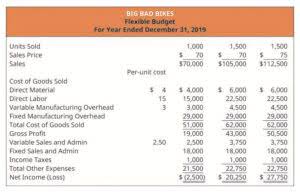
The statement displays the company’s revenue, costs, gross profit, selling and administrative expenses, other expenses and income, taxes paid, and net profit in a coherent and logical manner. They can infer, for example, whether a company’s efforts at reducing the cost of sales helped it improve profits over time, or whether management kept tabs on operating expenses without compromising on profitability. The income statement is a financial report that summarizes a company’s financial performance over a specific accounting period.

A balance sheet is like a photograph; it captures the financial position of a company at a particular point in time. Notice how the heading of the balance sheet differs from the headings on the income statement and statement of retained earnings. We start with beginning retained earnings (in our example, the business began in January so we start with a zero balance) and add any net income (or subtract net loss) from the income statement. In accounting, we measure profitability for a period, such as a month or year, by comparing the revenues earned with the expenses incurred to produce these revenues.

Both ratios are useful for comparing companies or tracking performance over time. High liquidity ratios usually mean low financial risk in the short term. It excludes inventory from current assets to measure only the most liquid assets. It is calculated by dividing current assets by current liabilities.

Each report offers unique insights for understanding the financial status. Government agencies use them to check if the company follows laws and pays taxes. Business owners use them to plan and improve their company. They also ensure transparency and trust by sharing accurate financial information. They show numbers like how much money the company made, spent, owns, or owes.

As shown in Table 14.2, Delicious Desserts earned a net profit of $32,175 in 2018. Several steps are involved in finding net profit or loss. It is the difference between net sales and cost of goods sold. This figure includes the cost of raw materials, labor costs for bakery workers, and the cost of operating the bakery area. During the year, the company spent $109,500 to produce its baked goods. For all sellers, cost of goods sold includes all the expenses of preparing the goods for sale, such as shipping and packaging.

It also shows the owner’s equity, which is the value left after subtracting liabilities from assets. These records help people understand how the company is doing financially. They show clear details about a business’s money, such as earnings, debts, and assets. They sold off a big part of their business, so many of the financials are broken down into continuing and discontinued categories. If a company sells a significant part of its business, then it will show the numbers from that part separately under discontinued operations.


Small Business Accounting 101

And most accounting software is “smart”—it starts learning how to automatically categorize certain transactions, gradually lessening the time burden for you. Most of the work consists of categorizing the transactions your accounting software downloads from your bank and making sure that no transactions are missed or double-counted. An alternative is to work the other way around and only consider financial institutions to bank with that are supported by the accounting software of your choice. Small business accounting is the process by which a small business records its financial transactions and presents them in a standard format known as financial statements. In addition to automating AP and accurately tracking and balancing your books, cloud-based accounting software can often integrate with your other business software. Opening a separate business bank account is essential for managing your business’s financial transactions.

Understanding Key Financial Statements

We research and recommend products and services suitable for various business types, investing thousands of hours each year in this process. Business.com aims to help business owners make informed decisions to support and grow their companies. So as you learn what you need to do, be sure to consistently block out time on your calendar to check these tasks off your list.

Choose a method for accepting payments.

Connect all your financial accounts to automate data entry, speed up your books, reduce errors and save time Bench simplifies your small business accounting by combining intuitive software that automates the busywork with real, professional human support. Accounting software can save small businesses time money and stress – especially if you have a small team and limited resources.

Gross margin represents the amount of money a business retains after covering the direct costs of producing its products or services. Business owners must also be aware of tax deadlines and the requirements for filing tax returns and paying estimated taxes. Options include mobile credit card readers, POS systems, and online payment platforms. Depending on your business type, you may accept payments in person, through a point of sale (POS) system, or online. It is also important to track payments to independent contractors and file the required 1099 forms at the end of the year. Businesses can use payroll software to simplify payroll processing or outsource this function.

  • These applications automatically crunch numbers, perform data entry, track performance metrics, and produce business reports.
  • You don’t need to overhaul your entire business overnight.
  • As your business grows, you may find that finances are becoming more complex, while at the same time, you need to devote more time to the core activities of your business.
  • Canadian and US business owners need to determine whether they’ll use the cash or accrual accounting methods.
  • Each method has its pros and cons, and if your business earns less than $25 million in revenue, you can choose whichever one suits you best (businesses must use the accrual method beyond the $25 million mark).
  • If you import products or sell internationally, you’ll need to handle taxes and duties—particularly important for dropshipping businesses.

Set up your accounting software or spreadsheet

Accounting software like QuickBooks, Xero, or FreshBooks will generate cash flow reports based on your input data. Many more accounting terms can easily become confusing when you dive deeper into bookkeeping and start working with an accountant. There’s also software that can help you track your expenses, including tools like Bench, Manager.io, QuickBooks, FreshBooks, or Xero. Many small business owners do their own bookkeeping or outsource to a part-time bookkeeper. Modern POS systems make it easy to track sales, but it’s up to you to set up a way to track expenses. The cash basis method means that you record income and expenses when the cash transaction is complete.

Business Checking

By automating and streamlining accounting tasks, FreshBooks empowers small business owners to save time, reduce errors, and make informed financial decisions. Its features can help businesses track expenses, manage payroll, generate invoices, and gain valuable insights into their financial performance. FreshBooks accounting software can significantly simplify various aspects of small business accounting. The IRS requires businesses to maintain documentation that supports the income, credits, and deductions claimed on their tax returns. Accurate expense tracking is essential for monitoring business growth, preparing tax returns, and developing financial statements. Small business owners can choose to manage their books themselves using accounting software or spreadsheets, or they can hire a bookkeeper or accountant.

Running a small business means wearing many hats, and small business accounting 101 is one of the most crucial. At the small business accounting 101 heart of every successful small business is a solid foundation of accounting basics that ensure financial health and sustainability. It offers great time/project tracking, customizable invoices, and easy online payments, but falls short in inventory management and advanced accounting. Small businesses juggle everything from invoicing and expense tracking to payroll and taxes. The accounting method you pick affects how you track your finances and make decisions.

Monitor trends over time to identify which streams are most profitable. For example, if you’re a service provider, record income separately for each service type. Carry out a system that categorises sales by products, services, or client types. Following these best practices keeps your financial records organised, leading to well-informed decision-making and smooth operations. Implementing effective record-keeping practices enhances your financial management.

  • While accounting may not be the most exciting part of growing your business, it’s crucial to start off on the right foot.
  • We research and recommend products and services suitable for various business types, investing thousands of hours each year in this process.
  • As you start learning about small business accounting, there’s a fair amount of new terminology.
  • Depending on your bookkeeping requirements, you need to pick the ideal accounting method for your commercial venture.
  • When it comes to small business accounting, it’s a common misconception that bookkeeping and accounting are interchangeable, but in reality, they serve quite different purposes.
  • Sole proprietors don’t legally need a separate account, but it’s definitely recommended.

Nearly every modern business uses some kind of accounting software to keep track of its income and expenses. The three financial statements that best reflect your business’s financial health are the income statement, cash flow statement, and balance sheet. It records sales, expenses, and other financial transactions to help businesses follow tax laws and prepare accurate financial reports.

Tax obligations vary depending on your business structure. You’ll need to determine if you operate your business in an origin-based state or a destination-based state. Selling to international customers can be easier than domestic sales.

Consult a bookkeeper, accountant, or CPA

At the end of the month, quarter, or year (or any time in-between), you can generate financial reports from your accounting software. If the IRS or another taxing authority decides to audit your business, the auditor will want more than bank statements and reports from your accounting system. For some businesses that prefer to keep things simpler throughout the year but need to file on an accrual basis, they convert cash basis accounting to accrual basis once they start their tax prep. One of the first accounting decisions you need to make in your small business is the method you’ll use to record financial transactions.

For corporations and LLCs, maintaining a separate credit card for business transactions is necessary to keep personal and business finances distinct. Business accounting involves the systematic processes of recording, analyzing, and reporting a company’s financial transactions. Effective small business accounting is a key part of your financial success. Different taxes apply to income, sales, and payroll, depending on your business structure and location. To stay organized, you can use accounting software or a simple spreadsheet.

Having strong business financial records also makes it easier to get funding from creditors or investors. A separate bank account for your business protects your personal assets if you face bankruptcy, lawsuits, or audits. Launching your small business means taking on new accounting responsibilities. Unlike accounting, bookkeeping does not require any certifications.

This statement is part of your balance sheet and breaks down any changes in value of your stockholders’ ownership interest over a period of time, typically the beginning to the end of the year. If your business has shareholders or investors with equity in the company, you will also be responsible for creating a stockholders’ equity statement. From business ideas to researching the competition. Evaluating your balance sheet regularly aids in understanding your financial stability and informs decisions that affect long-term planning. Regularly reviewing your income statement helps identify trends and make informed decisions for future growth.

Not only that, but managing your money in different accounts allows you, your bookkeeper, and your accountant to more easily monitor the progress of your business. But even though sole proprietors can legally co-mingle their personal and business expenses in the same account, we always advise against it. The moment you get your business registered, it’s time to think about where your income will be going. But before your business really gets off the ground, you need to make sure you have your accounting administration set up properly.

When it comes to recording day-to-day transactions, you should focus on recording expenses directly linked to business operations. In this simple, guide you learn how to do accounting for a small business. If you want the tools to start doing your own small business accounting, you’ve come to the right place. For many new small business owners, the thought of accounting is the stuff of nightmares!

Bookkeeping is the systematic recording and organization of financial transactions, including income and expenses, in a structured manner. Accounting for small businesses is the documenting, tracking, and evaluation of the financial health of a business. Collaborating with skilled accounting partners can provide valuable support for managing your business finances and planning for growth.

Bookkeeping Journal Entries for Asset Depreciation and Write-off

It also reduces the carrying amount of the asset on the balance sheet and accumulates in a contra-asset account called accumulated depreciation. However, this also means lower depreciation expenses in the later years, which could lead to higher taxable income as the asset approaches disposal. In the context of asset disposal, understanding depreciation before the asset is disposed of is essential for accurate financial reporting and tax purposes. The cost and accumulated depreciation must be removed as the fixed asset is no longer under company control. When you sold it for $132k, that entire amount becomes taxable income subject to depreciation recapture rules.For vehicles (Section 1245 property), the recapture is taxed at your ordinary income rate, not the 25% rate (which applies to real estate). I’m trying to figure out the optimal timing since we’re also looking at buying a house this year, and I want to make sure we present our financial picture in the best possible light to lenders.Also, did you find that providing tax returns from years prior to the depreciation helped establish a pattern of normal business income?

  • Simply credit the new loan amount to the “Loan payable” account and reduce the cash amount to the actual out-of-pocket cost.
  • When you first buy new, long-term equipment (i.e., fixed assets), it doesn’t go on your income statement right away.
  • In addition to that, Barbara will also have to pay $60,000 out of pocket to obtain the new vehicle worth $100,000.
  • A construction company might trade in its old bulldozer for a discount on a newer model.
  • Understanding how to record this depreciation properly in your financial records is crucial for accurate accounting.

When to Eliminate Accumulated Depreciation

Think of it as having a personal tax expert right at your fingertips, available 24/7 to provide you with the tax information you need. It takes into account your specific circumstances and provides you with tailored recommendations incorporated into your answer. This brain is constantly learning and analyzing vast amounts of tax-related information.

I’ve been trying to get clear answers about a complex depreciation recapture situation for months.The service actually worked exactly as described – I got a call back in about 35 minutes and was connected with an IRS agent who specialized in business returns. They explained that the recapture amount would be taxed at my ordinary income rate (not automatically 25% like I feared). The system immediately identified that I had taken Section 179 deduction on the equipment and explained exactly how recapture would work.It showed me that I’d need to file Form 4797 and clarified that the recapture would be taxed as ordinary income, not the 25% rate (which apparently only applies to real property). The analysis breaks down which recapture rules apply to each asset type and how the gains should be calculated and reported. My situation involves both vehicles and some specialized manufacturing equipment that was partially depreciated through Section 179 and bonus depreciation.

Incorrect depreciation can lead to fines or issues in financial reporting. Instead of recording the full cost of an asset upfront, you spread the cost over its useful life. Let’s begin by diving into what depreciation means and why it matters for your business. As a CFO or finance leader, you are responsible for ensuring that asset values are correctly reflected in your company’s books.

  • A Deferred expense or prepayment, prepaid expense, plural often prepaids, is an asset representing cash paid out to a counterpart for goods or services to be received in a later ….
  • Disposing of assets is a transaction that requires careful tax planning and consideration.
  • Think of it as decluttering your financial closet for future sartorial opportunities.
  • Using these details, you can calculate depreciation for any asset and accurately record it in your accounts.
  • This entry effectively zeroes out the vehicle’s balance in the asset account.
  • When the assets are old, wear out or become obsolete, the company would consider disposing of the book.

Date Purchased

This entry will typically involve writing off the asset at its original cost, removing it from your books, similar to a sale. However, credits decrease asset accounts, corresponding with the vehicle no longer being on your balance sheet. This entry effectively zeroes out the vehicle’s balance in the asset account. You can calculate the gain or loss by subtracting the asset’s net book value from the sale price. Here, you’ll debit the accumulated depreciation account with the total amount calculated over the asset’s life. Next, credit the asset account (here, the vehicle) with its historical cost to remove it from your books.

Understanding how to record these transactions is essential for accountants as they provide a historical record and accountability. It might have felt like a marathon, but remember, capturing financial accuracy isn’t a sprint. Look over every detail with a fine-toothed comb, ensuring debits equal credits and every aspect of the sale is captured accurately.

A commercial fixed asset database will automatically turn off depreciation, as long as the termination date was correctly set in the system. No additional depreciation is required for the asset. You can learn more about accounting from the following articles –

Cost price

This could involve the coordination of multiple departments within an organization, as well as external stakeholders such as disposal specialists or regulatory bodies. Businesses must navigate these waters carefully to ensure compliance and optimize their tax position. The old fleet, purchased for $500,000 and depreciated to $200,000, is sold for $300,000. The total cost is $55,000. If the proceeds are less, record a loss. By considering these perspectives and employing a strategic approach, businesses can make informed decisions that align with their long-term objectives.

Disposal account

This is really helpful advice about presenting it as strategic tax planning rather than a mistake. I’m definitely feeling the “timing issue” aspect now – it’s like borrowing from my future self’s tax bill. The net effect over the two years isn’t as bad as it initially seems when you just look at the 2023 tax hit in isolation. Some lenders are more understanding of these situations than others, so it might be worth shopping around or working with a broker who has experience with self-employed borrowers.The silver lining is that this is really just a timing issue – you got a big tax deduction in 2022 and now you’re paying it back in 2023. I went through almost the exact same situation with a business truck I bought in 2021!

Sales and Disposal Impact on Income Statement

The machine originally cost $40,000, and accumulated depreciation is $10,000. Regardless of the outcome, the loss or gain must appear on your income statement. When you dispose of an asset by selling it, you need to determine whether you’ve made a gain or incurred a loss. In the grand saga of your business, assets come and go.

This involves tracking depreciation, calculating book value, and acknowledging the sale global accounting standards or disposal of assets. Yes, recording the accumulated depreciation in your journal entry is critical. Yes, you must still record a journal entry when donating a fully depreciated vehicle. And there you have it — a comprehensive guide through the seas of QuickBooks journal entries for a fully depreciated vehicle sale. Typically, the accumulated depreciation will match the asset’s original cost if it’s fully depreciated, but it’s always wise to double-check.

On the asset side, we have the vehicle with the accumulated depreciation; on the liability side, we have the loan payable balance. The key point to help understand is that assets and liabilities are two separate components in accounting. In our books, we have to present the accumulated depreciation on our balance sheet to show the actual financial effect over time. Since most businesses operate on an accrual basis, we have to account for the use of our vehicle for the time we have it; this is where the concept of depreciation applies. In this article, we’ll share journal entry examples of vehicle trade-ins. Some businesses purchase company vehicles because it makes more sense than paying employees for their vehicle travel costs.

When disposing of an asset that has not been fully depreciated, they must debit Accumulated Depreciation and Loss on Disposal and credit the Asset account for its original cost. To account for the depreciation of assets, a bookkeeper debits the Depreciation Expense account and credits the depreciation methods Accumulated Depreciation account. Financial reporting must clearly disclose the nature of these gains or losses for accurate interpretation of a company’s financial health.

The assets would need to disappear with no further consequences for this to be the end of the entries. It is useful for financial professionals to understand how it works and how it is recorded to ensure clean accounting. If there is a difference between disposal proceeds and carrying value, a disposal gain or loss occurs. As it can be a material transaction, understanding how asset disposals are recorded is essential for financial professionals. Each computer has the cost of $1,700 on the balance sheet, in which its residual value has been estimated to be $200 at the start of the depreciation. Hence, the disposal of the fully depreciated asset with the residual value is usually done by selling it off with its residual value.

ABC needs to make journal entry by debiting cash $ 8,000, accumulated depreciation $ 15,000 and credit gain on disposal $ 3,000, cost of equipment $ 20,000. The journal entry for depreciation refers to a debit entry to the depreciation expense account in the income statement and a credit journal entry to the accumulated depreciation account in the balance sheet. The accounting for a fully depreciated asset is to continue reporting its cost and accumulated depreciation on the balance sheet. Bookkeeping for asset depreciation, sale, and write-off is a critical component of financial accounting, tracking the value and status of a company’s assets over time. Recording a journal entry for the sale of a fully depreciated vehicle might feel like a relic from accounting’s ancient past. From a financial perspective, depreciation is not just an accounting entry; it represents the allocation of the cost of an asset over its useful life.

Suppose a business purchases a machine for $10,000. The company sells the machine for $11,000. CR to (0051)Motor Vehicle Depreciation and a DR to (8003)Vehicle depreciation. Let’s assume it was still purchased in 2015 at a cost of £500m but with an estimated useful life of 100 years and a residual value of £300m (rather than £0 previously). It’s more realistic that the above entries would happen with an intangible, which is amortizing.

So, you’ve decided it’s time to part ways with one of your business assets. The absence of any further depreciation expense subsequent to the completion of depreciation for an asset will reduce the amount of depreciation expense reported in the income statement, so that non-cash profits will increase by the amount of the depreciation reduction. No further accounting is required until the asset is dispositioned, such as by selling or scrapping it. The auditor of the company is required to give an opinion on the truth & fairness of the company, along with whether the company follows all the accounting policies laid down by the statutory bodies. The company will have to record $2,00,000 as a depreciation expense by debiting the p&l a/c and crediting the accumulated depreciation a/c for five years.

So there you have it—a not-so-painful dive into the world of asset disposal and journal entries. Hold onto your ledger, because we’re about to make accounting for asset sales as painless as possible—maybe even a little fun. Yes, a fully depreciated asset can affect financial ratios because it reduces the asset base on the balance sheet. Once a fixed asset has been fully depreciated, the key point is to ensure that no additional depreciation is recorded against the asset. A fixed asset can also be fully depreciated if an impairment charge is recorded against the original recorded cost, leaving no more than the salvage value of the asset.

By being aware of these pitfalls, you can ensure that your entries are accurate and reliable. Intercompany Accounting Journal Entries Furniture was purchased for $10,000 and $7,000 was accumulated in depreciation. Your business sells office furniture on July 10, 2024. The van was purchased for $40,000 and accumulated $28,000 in depreciation.

When the cash proceeds from the disposal of fixed assets are less than the net book value, the difference is the loss on the disposal. Welcome to AccountingJournalEntries.com, your ultimate resource for mastering journal entries in accounting. Welcome to AccountingJournalEntries.com, your comprehensive destination for mastering accounting journal entries. Create a clear timeline showing your normal business income before 2022, the strategic depreciation decision in 2022, and the planned recapture in 2023. If your business income was significantly higher in 2022, that $144k deduction could have saved you more in taxes than you’ll pay on the $132k recapture in 2023. I provided bank statements showing consistent business deposits and highlighted that the vehicle sale actually improved our cash position.The underwriter appreciated seeing that we understood the tax implications upfront rather than being surprised by them.

What is DCF Analysis and How to Use It

The non-operating assets are its cash and equivalents, short-term marketable securities, and long-term marketable securities. Many companies have assets not directly tied to operations. The result of the analysis is very sensitive to this assumption.

Everything You Need To Master Financial Modeling

If you derive your profits from online users, experts may value your company based in part on the number of users and the average revenue generated from each of those users. The two primary alternatives are comparable company analysis and precedent transaction analysis. That means the interest rate must be higher in the formula (and thus you would get a higher interest rate in the deal with your friend) to reach a net present value of 0. You can most easily figure the internal rate of return by using the IRR or XIRR function in Excel. It instead will pursue other investments where it can get that rate. Net present value takes the value derived through that analysis and decides whether it’s a worthwhile investment based on the purchase price.

How Does Discounted Cash Flow Work?

Both of the key pieces of information needed to calculate DCF — future cash flows and the discount rate — can be unreliable. But even when using alternative valuation methods, analysts still frequently perform discounted cash flow analysis. The current value of the company, based on discounted cash flow analysis, is about $1.02 million.

Step 1. Forecasting unlevered free cash flows

Or they may compare it to their company’s hurdle rate, which is the minimum rate of return the company expects from investments of a specific type and specific risk level. Industry in the 1700 and 1800s used the concepts behind discounted cash flow. A form of discounted cash flow calculations may have been used when people began lending money thousands of years ago. You can download a range of other discounted cash flow templates by visiting “Download Free Discounted Cash Flow Templates and Examples.” That data includes current and projected cash flow, cost of capital, and other figures.

  • S, or s, is the nineteenth letter of the Latin alphabet, used in the English alphabet, the alphabets of other western European languages and other latin alphabets worldwide.
  • It is the most common letter for the first letter of a word in the English language.
  • If the cash flow stream is assumed to continue indefinitely, the finite forecast is usually combined with the assumption of constant cash flow growth beyond the discrete projection period.
  • A private equity professional building a DCF will likely try to figure out what he/she can sell the company for 5 years down the road, so this arguably provides a valuation via an EBITDA multiple.
  • If you derive your profits from online users, experts may value your company based in part on the number of users and the average revenue generated from each of those users.

Historical Stock Prices:

WACC rates vary a lot by company, but for this example we’ll assume a company has a WACC of 5%, and use this as the discount rate. First, we estimate our discount rate using the weighted average cost of capital (WACC) as an approximation. This is the rate at which future returns depreciate over the course of the investment. Looking to calculate and even track discounted cash flow yourself, so you can present a solid set of figures to potential investors? If estimated cash flows are too high, then the investment might not pay off. The big drawback of discounted cash flow is that it’s heavily reliant on https://tax-tips.org/deduction-checklist/ assumptions.

Discounted cash flow (DCF) is a method that values an investment based on the projected cash flow the investment will generate in the future. In this article, you’ll find the most useful information regarding the discounted cash flow method, including formulas and expert tips on how to perform the analysis. The opposite process takes cash flows and a price (present value) as inputs, and provides as output the discount rate; this is used in bond markets to obtain the yield. The premise of the DCF model is that the value of a business is purely a function of its future cash flows. A DCF model estimates a company’s intrinsic value (the value based on a company’s ability to generate cash flows) and is often presented in comparison to the company’s market value.

Discounted Cash Flow (DCF) is widely used in business, including in a number of key models for valuing stocks such as the Gordon Growth Model. Let’s take an example to calculate the DCF of a specific investment. However, this is not quite correct, because you’ll have to wait five years to see a return, and you could’ve invested the same $10 million in a different way in the meantime.

However the assumptions used in the appraisal (especially the equity discount rate and the projection of the cash flows to be achieved) are likely to be at least as important as the precise model used. Discounted cash flow analysis is widely used in investment finance, real estate development, corporate financial management, and patent valuation. The investment project evaluated should produce positive cash flows at their present value and yield a return of at least the company’s hurdle rate for the investment.

If the company can’t get that rate, it won’t buy the investment. They can then compare that rate of return to those of alternative investments. Analysts figure the internal rate of return so they have an estimate on the rate of return they could get from an investment. Company A expects cash flows of $300,000, $400,000, and $500,000 for the next three years. If the cash flow stream is assumed to continue indefinitely, the finite forecast is usually combined with the assumption of constant cash flow growth beyond the discrete projection period. Discounted cash flow valuation is differentiated from the accounting book value, which is based on the amount paid for the asset.

  • Valuing companies using a DCF model is considered a core skill for investment bankers, private equity, equity research, and “buy side” investors.
  • First, we estimate our discount rate using the weighted average cost of capital (WACC) as an approximation.
  • However, this will always be in light of potential funding opportunities, whether present or future.
  • Below is a simpler, more basic version of those detailed formulas.
  • Accurate and reliable data is essential for conducting DCF analysis effectively.
  • This discounted cash flow template helps you estimate your company’s intrinsic value versus its market value.

The discount rate can vary depending on the investment’s risk profile. These cash flows can include revenue, operating expenses, capital expenditures, and taxes. DCF analysis is widely used in various financial scenarios, such as valuing stocks, assessing the feasibility of capital projects, and evaluating the worth of an entire business.

Sum up all the present values to obtain the total present value of the cash flows. When it comes to evaluating the financial health and value of a company, Discounted Cash Flow (DCF) analysis is a fundamental tool used by analysts, investors, and financial professionals. You’re getting very close to 0, which means your internal rate of return for this investment is very close to 14.5 percent. Or, in a simplified analysis, you can also determine the internal rate of return through trial and error. Using a formula to figure the internal rate of return manually can be very complicated.

Some business owners and financial leaders may choose to calculate, and seek to improve, discount cash flow if they’re gearing up for a funding round. Note, here, that deduction checklist while the total expected cash flow equaled $6m, our discounted cash flow comes in at $5,357,950. Potential investors will compare the present value of future cash to the investment they’re considering.

So, the estimated intrinsic value of Company XYZ based on DCF analysis is approximately $3.79 million. If the DCF value is higher than the market price, the investment may be undervalued, indicating a potential buying opportunity. Compare the calculated DCF value to the current market price of the investment.

It can provide investors and companies with a far more accurate picture of the actual returns of a project than relying on gross cash flow estimates alone. You can then apply the discount rate to the expected returns of an investment using the DCF formula. Before we dive into figures and formulas, let’s discuss some of the financial theory behind the idea of discounted cash flow. It’s used by potential investors to determine the value of an investment opportunity today, based on the anticipated future cash flow of the company being invested in.

What is Bad Debt Expense?

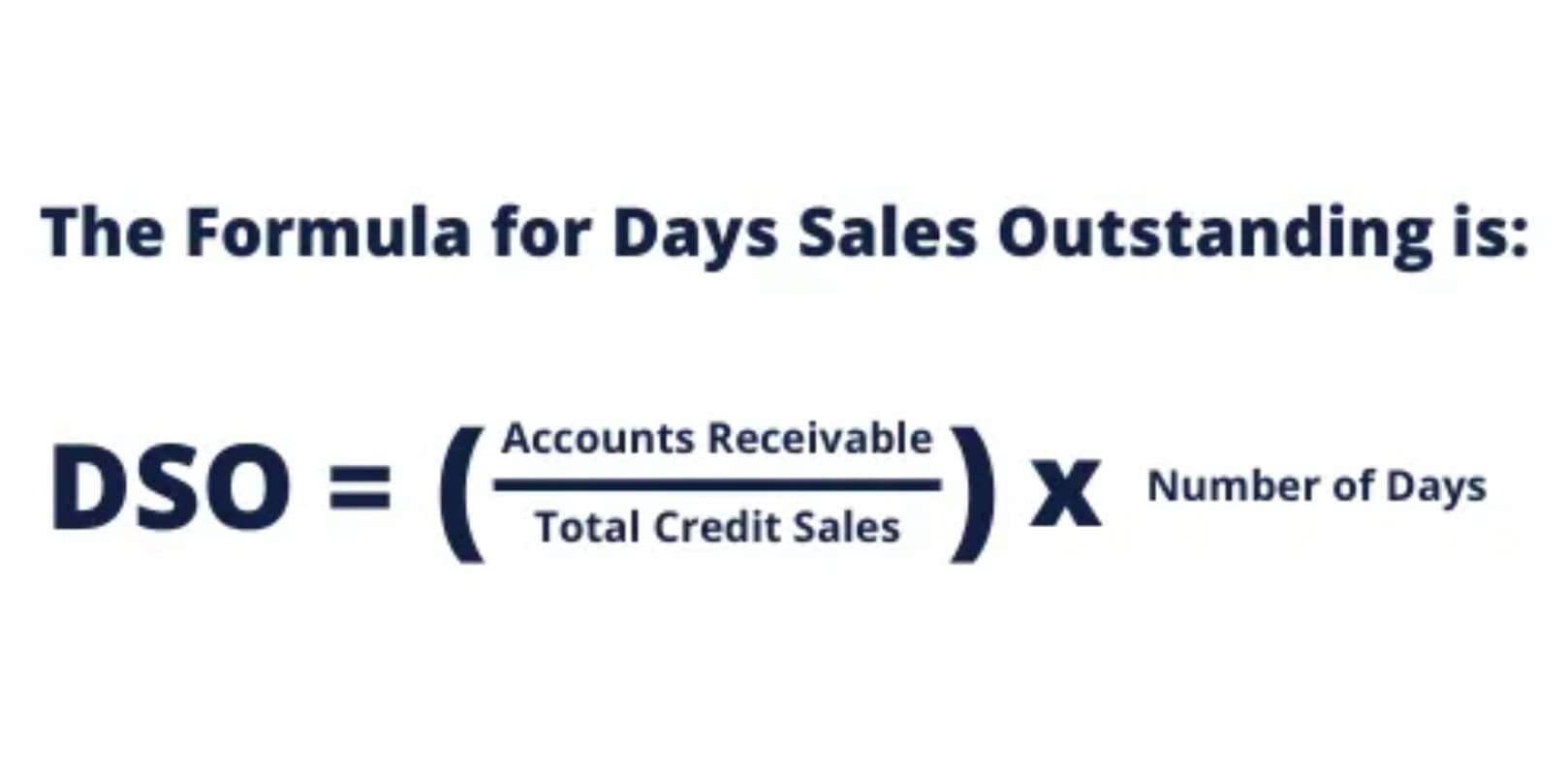
percentage of sales method formula

The allowance method complies with the matching principle as an estimate of the bad debt expense is recorded in the same accounting period in which the credit sales and accounts receivable are recorded. Percentage of sales method is an income statement approach for estimating bad debts expense. Under this method, bad debts expense is calculated as percentage of credit sales of the period. The percentage of sales method predicts future finances based on current revenue.

Determine if a correlation between sales and specific line items you want to forecast exists.

These methods often use past data or reports on how old the receivables are. Looking at companies like Dell Inc., Apple Inc., and Cisco Systems shows the ups and downs of handling accounts receivable. It’s key to lower your business’s bad debt ratio to keep its finances healthy. By improving how you manage credit and the money https://www.bookstime.com/ you’re owed, you minimize bad debts.

How to Calculate Sales Percentage Increase or Decrease

The aging of accounts receivable method is another balance sheet approach and is a refinement of the percentage of accounts receivable method discussed above. Is it necessary to use gross sales or net sales for percentage calculations? This calculation involves dividing the particular value, such as revenue from a product or sales from a region, by the total sales figure, then multiplying the result by 100 to express it as a percentage. Understanding this percentage provides clarity on the contribution of different components to overall sales performance. percentage of sales method formula Calculating the percentage of sales is fundamental for understanding business performance. The process involves dividing the specific sales figure by the total sales and then multiplying by 100 to convert it into a percentage.

percentage of sales method formula

What is the Percent of Sales Calculator?

percentage of sales method formula

In other words, it tells you what percentage of sales profit a company loses to unpaid invoices. There are two ways to record payroll bad debt expenses in your accounting statements. Though calculating bad debt expense this way looks fine, it does not conform with the matching principle of accounting. That is why unless bad debt expense is insignificant, the direct write-off method is not acceptable for financial reporting purposes.

percentage of sales method formula

percentage of sales method formula

Once she has the specific accounts she wants to keep tabs on, she has to find how they stack up to her overall sales figures. I should also mention the drawbacks to using the percentage of sales method. Percentage of sales method is the traditional method to find out working capital. This method is based on historical relationship between sales and working capital. Each of historical value is converted to percentage of net sales and those values are used to forecast. ResourcesPaytronix Resources Learn how to create great customer experiences with our free eBooks, webinars, articles, case studies, and customer interviews.

percentage of sales method formula

  • That helps you stay GAAP-compliant, tighten forecasting, and reduce costly surprises.
  • As a result, the steps you’ll take to estimate your AFDA in this method are different compared to the percentage of sales method.
  • This could happen because of factors like inventory accounting methods or changes in material costs.
  • There is a lower chance that recent purchases won’t be settled by the credit card companies than purchases over a month out.
  • Accounts receivable represent amounts due from customers as a result of credit sales.

The bad debt expense required is recorded with the following aging of accounts receivable method journal entry. Yes, you can calculate percentage of sales for any time frame by using sales data from the specific period and comparing it to total sales within the same timeframe. Understanding how to calculate the percentage of sales is a fundamental skill for anyone involved in business, marketing, or finance. It helps in measuring success, identifying trends, and making informed decisions that drive profitability. With the percentage of sales method, you can quickly forecast financial changes to your business — including both assets and expenses — based on previous sales history.

Best Online Bookkeeping Services Of 2025

payroll services accountants

We have financial relationships with some companies we cover, earning commissions when readers purchase from our partners or share information about their needs. These relationships do not dictate our advice and recommendations. Our editorial team bookkeeping and payroll services independently evaluates and recommends products and services based on their research and expertise. Mid-sized to larger clients (50+ employees) that require a fully integrated HR/payroll solution with strong compliance and employee self-service—ideal for firms managing complex, scaled operations.

Education and Compliance Resources

However, using a PEO means you’ll have to give up control of some internal processes. Small businesses with hourly Accounts Payable Management workers and 1099 contractors will appreciate Square Payroll’s straightforward payroll processing platform. The system is intuitive, requiring only a few steps to run payroll each pay period. In addition, the payroll company provides live support for account setup and does not have a steep learning curve. For these reasons and others, we chose Square Payroll as the best payroll software for its ease of use. We chose Paychex Flex for its blend of robust functionality and expert support.

Discuss Your Accounting Needs

Spend more time advising clients and less time on payroll and workforce services with QuickBooks Online Payroll. Whether you’re a big accounting firm or an accounting team of one, QuickBooks Online Payroll has tools to help you grow. QuickBooks Online Payroll lets you automate your payroll services and manage your clients’ books in one place. It’s a good option for accountants, bookkeepers, CFOs, CPAs, and other financial professionals. Seamless collaboration is just as important to accountants as to other professionals. Workful’s Pro program lets accountants and payroll professionals work together on a client’s payroll, including access and edit controls and shared billing management.

No data reentry

For instance, Gusto’s in-house insurance brokers ensure that if you sign up for employee medical insurance and workers compensation insurance through Gusto, you’ll pay the premium only. No–our software is only available to companies with employees working in the USA. It’s our passion to help American businesses by providing streamlined, easy, and affordable payroll management solutions. When it comes to cost, it really depends on how well you negotiated the initial agreement, and how much prices have risen over time.

payroll services accountants

See how easy it is to manage payroll for your clients and grow your firm with our simple to use accountant dashboard. The final step is to use your testing experience to determine which payroll providers you’d like to negotiate a quote with. Ask each company the following questions to get the best deal possible. Although Paycor no longer posts pricing on its website, it last charged $99 a month for the entry-level version for its payroll processing. One of Deel’s standout features is its network of in-country legal experts, which ensures every contract is localized and compliant.

payroll services accountants

Rippling stood out for its streamlined, unified system that integrates payroll, HR, IT, and finance—enabling fast, accurate payroll runs, automated workflows, and minimal manual normal balance data entry. Its standout features include 90‑second payroll execution, global payments in multiple currencies, and comprehensive reporting tools, all built on a single employee database. You already juggle taxes, compliance, and client needs, payroll shouldn’t add to the stress. This year, the best payroll tools help accountants stay accurate, save time, and grow with ease.

Tax, audit & accounting firms

Specifically, look out for the following features to see if your bookkeeping services needs will be met. Decimal is great if you’re looking to quickly access your business records. The Decimal service comes with automated, up-to-date categorization of your transactions, bank reconciliation and bookkeeping journal entries. A dedicated accounting team for your business, as well as access to a technology team, can always help. We can take care of calculating, filing, and depositing your payroll taxes automatically. Create custom invoices for free to pair with Wave Payroll’s payroll service and free accounting tools.

payroll services accountants

In that case, they may still want a solution that prioritizes compliance. HR & organization managementHR services can play a pivotal role in contributing to your clients’ overall success. Giving clients access to features like org charts, PTO management, and customizable templates can be helpful, but be wary of additional fees from some providers for essential HR features. Good payroll software simplifies a lot of the work, but tax laws change, humans make mistakes, and even the best providers have occasional hiccups. It’s critical to choose a service with outstanding support and a dedicated team to take care of you and your clients.

  • We did like that you can opt for a convenient and affordable contractor-only plan.
  • Take the bookkeeping stress off your plate with a full-service plan, which will get you a dedicated accountant even at the starter-level Business plan, which costs $2,508 per year.
  • In contrast to Gusto, OnPay, and QuickBooks Payroll, some of ADP’s basic payroll services cost extra, namely W-2 form filing.
  • With the right partner, you can transform payroll from a burden into a business advantage.
  • Many small businesses find it most effective to purchase their payroll and HR support services from the same vendor, such as Gusto or Rippling, both of which sell plans that combine the two functions.
  • Overall its been pretty easy to use and definitely makes payroll simpler.
  • You’ll get features including personalized financial planning, quarterly reviews, and proactive tax planning and advice.
  • Consider your business’s financial services needs before you begin your search so you’re not overpaying or selecting a service that offers more than you actually require.
  • We run a small fitness studio, and Homebase keeps us organized without the big-business price tag.
  • Whether you’re a big accounting firm or an accounting team of one, QuickBooks Online Payroll has tools to help you grow.

Here’s a quick look at how adding payroll services can work for different practices. Our team of payroll pros handle all of the setup and migration of client data for free. And with exclusive access to the experts on our Partners Team, you’ll always get attentive, knowledgeable service when you need it.

payroll services accountants

Outsourcing provides access to specialized knowledge and expertise. Payroll companies are experts in the intricacies of payroll management, while accountants bring broader financial expertise to the table. This expertise ensures that your payroll is accurate, timely, and compliant, while your financial statements and tax returns are expertly prepared.

Startup Accounting 101: The Basics

accounting for startups reddit

Most businesses have revenue and expense bank accounts (AKA temporary accounts) that provide information for the company’s income statement. At the end of the accounting cycle, these accounts are closed, which means the balance of the temporary accounts is reduced to zero. A bookkeeper reconciles bank statements regularly to ensure your bank account balance matches the cash balance in your ledger. If the amounts https://jt.org/accounting-services-for-startups-enhance-your-financial-operations/ in the bank statement and internal records don’t match, you’ll need to find out where the discrepancies are and adjust the entries to ensure they match the bank statements correctly. With Zeni, startups get accurate, GAAP-compliant books and access to finance concierge that is 10x faster than other accounting options thanks to Zeni’s AI-powered processes.

What Are the Basics of Bookkeeping?

accounting for startups reddit

You juggle many hats and managing the books shouldn’t be one of them! Kruze’s CPA accounting team strives to handle all the minutia so you can focus accounting for startups on what matters when growing your business like, strategy, networking, achieving product-market fit, advancing your R&D, hiring, etc. Accountants who are not specialized in newly formed companies may be missing a new tax credit that can reduce payroll taxes up to $100,000. Your accountant monitors your financials and ensures your compliance documents are in place and accurate. Your accountant should also be available to answer your questions and help you address any issues before they become larger problems.

accounting for startups reddit

Hiring vs. Outsourcing Accountants

Startups do accounting by implementing a range of financial management techniques, depending on the founders financial sophistication and time. The best startups use a cloud-based accounting software like QuickBooks Online to do basic bookkeeping, which includes tracking income, expenses, and other financial transactions. They may DIY their books, but should work with a CPA firm to file taxes and ensure state and local tax compliance.

Review and Comparison: GnuCash vs. Other Accounting Software

The accounting department, I would guess, is a year behind in hiring to scale. Meanwhile (of course) we spend like it’s going out of style hiring in every other department. However, neglecting that pile of documents could cost you more time and effort in the future. The following financial items must be carefully managed in all situations. Additionally, they’re designed to make it simple to keep track of your finances, and most are affordable to fit any budget. The Zeni Business Credit Card is currently available to eligible Zeni customers by invite only.

accounting for startups reddit

Quickbooks Online is another popular online accounting software providing users with the services they need to maintain a financially healthy business. As a startup founder, you’ll need to choose early on whether to spend your valuable time on accounting and bookkeeping tasks, or to outsource to the experts. A good accountant, or your Bench bookkeeper, can help generate these reports and get a handle on your business’s financial health.

  • With our team of experienced professionals, we offer a wide range of services to meet the unique and ever-changing needs of startups.
  • Deferred revenue is the payment received for goods and services yet to be rendered.
  • And that kind of financial rigor shows potential investors that you have the wherewithal to become an established, valuable, and profitable venture.
  • Analysing these statements help young businesses so that they do not overspend unnecessarily on operational costs and also observe the cash flow and any potential fraudulent activities.
  • Financial planning and analysis (FP&A) go beyond the record-keeping and financial reporting of accounting by analyzing your business’s financial statements and other financial and operational data.
  • Whereas a traditional small business focuses on their bank account balance, startups focus on the KPIs that help them raise their next round of funding.

Advertisement