Using Do and Does: Grammar Rules, Examples, and Practice Exercises

With the large numbers in this study population, most of the apparently small differences in mean ratios had p values 1/FVC to reported alcohol intake presented in Table 1 was generally consistent in analyses among multiple stratified groups. Lifestyle traits related to LAF have important implications for chronic airway diseases, including bronchitis, asthma, and COPD. A study of 8765 Danish study participants9 found a relation between alcohol drinking and accelerated loss of LAF. A study of 2539 free-living adults10 found no evidence for an independent association of alcohol intake with LAF. Regular physical activity, a balanced diet rich in fruits and vegetables, and maintaining a healthy weight can all promote optimal lung function.

Alcohol has unique effects on the ciliated airways because it is rapidly and transiently absorbed from the bronchial circulation directly across the ciliated epithelium of the conducting airways. Replacement IgG therapy only partially restored Ig levels in these people, although it decreased the rates of pulmonary infections (Spinozzi et al. 1992). These deficits could account for decreased clearance of these bacteria from the lungs. A recent study of MDRTB in South Africa reports that of 225 patients diagnosed with MDRTB, only 50 percent were cured or completed treatment.

Other Negative Effects of Alcohol on the Lungs

Another mechanism that might explain alcohol-mediated bronchodilation is through release of nitric oxide (NO). Furthermore, the role of adrenergic innervation, while important in the canine airway, is minor in the regulation of human airways. This effect was blocked by a β-adrenergic blocker and was not reproduced in isolated first passage cultured airway epithelial cells. Richards determined that modest and biologically relevant concentrations of alcohol (0.13%–0.16% or 8–34 mM) caused concentration-dependent hyperpolarization and suppression of membrane action potentials in canine tracheal smooth muscle preparations (Richards et al., 1989). A study by Puszkin in 1975 demonstrated that ethanol and its metabolite, acetaldehyde, are capable of reversibly inhibiting adenosine monophosphate-(ADP) induced re-association of skeletal muscle cell actin and myosin (Puszkin and Rubin, 1975). To view these concentrations of alcohol in a clinical context, a 1.5% solution of ethanol is approximately 17 times higher than the blood concentration that is used in most areas to define legal intoxication (0.08% or 18 mM).

Types of T Cells.

The answer is, “probably, yes,” but to what extent alcohol is dangerous for COPD patients is a difficult question to answer. Even minor colds can lead to serious COPD exacerbations, and recovering from illnesses quickly is key for preventing further damage to the lungs. Even a single episode of heavy drinking can inhibit your body’s ability to fight viruses and bacteria for up to 24 hours. Essentially, alcohol’s diuretic effects causes nutrients and electrolytes to be lost when you urinate, leading to deficiencies can salvia kill you in sodium, potassium, chloride ions, and other substances.

  • For the alcohol drinking categories, the highest mean FEV1/FVC ratio was among the large number of drinkers reporting having two or fewer drinks per day, followed closely by those reporting having three to five drinks per day.
  • Remember, knowledge is power, and understanding the effects of alcohol on the lungs is the first step towards making informed decisions.
  • By practicing moderation in alcohol consumption, adopting a healthy lifestyle, and seeking professional help if needed, individuals can actively promote their lung health.
  • Many pain and anxiety drugs become more intoxicating as they mix with alcohol, and that means they can slow your heart rate and breathing to a dangerously low level.
  • Pure ethanol is a moderately effective and transient bronchodilator and likely relaxes airway smooth muscle tone.
  • Furthermore, alcohol consumption has been linked to an increased risk of hospitalization and mortality in patients with COPD.

Alcohol and Lung Airways Function

These are all signs of alcohol intolerance, which can potentially make your COPD symptoms worse. But if you feel stuffy, have a runny nose, trouble breathing, or any other signs of an allergic reaction when drinking alcohol, you should stop drinking completely, he says. Drinking alcohol can make you more likely to get a respiratory infection. A person with any of these risk factors needs to consider them when deciding whether to also drink alcohol.

Brief exposure to mild concentrations of alcohol may enhance mucociliary clearance, stimulates bronchodilation and probably attenuates the airway inflammation and injury observed in asthma and COPD. Seek medical attention if these or any concerning symptoms arise after consuming alcohol. Allergic reactions to alcohol, such as sneezing, congestion, or breathing difficulties, can also occur and may exacerbate COPD symptoms. For instance, both alcohol and steroids can suppress the immune system, and combining them may heighten the risk of infection.

This effect was partially reduced by histamine or the alpha-adrenergic blockade, but completed abolished by calcium channel blockade, suggesting a calcium flux mediated alcohol-triggered airway smooth muscle contraction in this model. The applicability of this study, however, is uncertain since most of the bronchoreactivity of asthma occurs in the small airways and not the trachea. These findings suggest that alcohol can relax constricted airway smooth muscle, which is a gray death is the latest, “scariest” opioid drug threat significant factor in the pathogenesis of asthma.

The Heart

Alcohol-induced suppression of G-CSF–driven neutrophil production combined with impaired bacterial clearance likely account for the high severity and mortality of bacterial infections among the alcohol-fed mice observed in these studies. Additional studies have demonstrated that alcohol-consuming animals are more likely to succumb to S. Thus, G-CSF levels rise significantly within 3 hours of pulmonary bacterial infections, peaking at 12 hours, and plateauing around 18 hours post-infection within the lung and systemic circulation. In healthy individuals, the bone marrow produces approximately 120 billion neutrophils per day (Cartwright et al. 1964; von Vietinghoff and Ley 2008).

Conversely, overexpression of GM-CSF in genetically modified (i.e., transgenic) mice causes increased lung size, excessive growth (i.e., hyperplasia) of alveolar epithelial cells, and improved surfactant protein removal from the alveolar space (Ikegami et al. 1997). GM-CSF is secreted by type II alveolar cells and is required for terminal differentiation of circulating monocytes into mature, functional alveolar macrophages (Joshi et al. 2006). Impaired secretion of granulocyte monocyte colony-stimulating factor (GM-CSF) by type II alveolar cells likely also contributes to alcohol-induced oxidative stress (Joshi et al. 2005). After mucociliary clearance, these cells are the next line of cellular defense against invading pathogens through their phagocytic, microbiocidal, and secretory functions (Rubins 2003).

If individuals are concerned about the impact of alcohol on their lung health or are experiencing alcohol-related lung problems, it is crucial to seek professional help. In addition to moderate alcohol consumption, adopting a healthy lifestyle can contribute to better lung health. Taking steps to promote lung health is essential for individuals who consume alcohol.

Regardless of how patients were linked to an ARD, they had an increased risk for COPD during that hospitalization. Combining both methods, they found an overall prevalence of an alcohol-related diagnosis (ARD) of 22.4% in all hospitalized patients and found that the diagnoses recorded in the chart identified only one-third of the patients with a current history of alcohol abuse. Using multiple regression analysis, these investigators found that alcohol consumption significantly accelerated the loss of FEV1 and vital capacity over time. They concluded that there is no evidence for an independent association of alcohol intake on airflow obstruction. Although unadjusted values indicated obstruction in heavy drinkers compared to light drinkers, the difference disappeared when adjustment was made for cigarette smoking, socioeconomic status, male sex and age.

  • Continue reading to learn more about the risks of alcohol use for COPD patients and how to reduce your risk if you suffer from the disease.
  • Although alveolar macrophages are the primary residential innate immune cells and play a pivotal role in the clearance of bacterial and viral pathogens, understanding of and research on their specific function in the context of heavy alcohol consumption and AUD still is lacking.
  • Therefore, it makes sense that smoking is the leading cause of COPD.
  • There were small but statistically significant differences in FEV1 among the alcohol intake categories.
  • For someone with COPD, this additional mucus makes it harder to clear the lungs, leading to increased coughing and wheezing.
  • The primary outcome was time to first AECOPD and the secondary outcome was AECOPD rate during the 1-year study period.
  • Regardless of the exact underlying mechanism, the consequence of alcohol-induced impairment in airway ciliary function is increased susceptibility to airway bacterial and viral infections, such as RSV.

In the long term, heavy alcohol use can cause permanent damage to the parts of the brain responsible for memory, motor skills, and emotional regulation. The feeling of intoxication you get when you drink enough alcohol to get drunk comes mainly from alcohol’s effects on the brain. To understand how alcohol affects COPD, you first have to understand the general effects that alcohol has on your brain, heart, liver, kidneys, pancreas, and immune system. You have a higher risk of experiencing these negative effects the more heavily you drink and the longer the period of time that you drink for. In general, light to moderate drinking isn’t usually very bad for you, and most healthy adults who drink in moderation will suffer little to no long-term health problems.

It is not surprising, however, that lung airways are at great risk for injury and infection from the outside environment. The conducting airways of the lung, including the trachea, bronchi and bronchioles, function to distribute air throughout the lung and represent the proximal and often rate-limiting component of the air distribution system. Non-alcohol congeners and alcohol metabolites act as triggers for airway disease exacerbations especially in atopic asthmatics and in Asian populations who have a reduced capacity to metabolize alcohol. The volatility of alcohol promotes the movement of alcohol from the bronchial circulation across the airway epithelium and into the conducting airways of the lung.

But does that mean onemust does reese witherspoon have fetal alcohol syndrome abstain from alcohol completely? Some of the other causes of COPD besides smoking include, living in populated areas, breathing in harsh environmental irritants and it can even be genetic in some rarer cases. Without this bacteria, you will have an increased risk of experiencing a bacterial infection.

However, alcohol levels of 200–300 mM are rare but have been recorded in heavily intoxicated individuals treated in emergency departments. This results in facial flushing, wheezing and other undesirable side effects following the ingestion of modest amounts of alcohol (Gong et al., 1981). The most susceptible individuals are Asians who have greatly reduced function of the enzyme aldehyde dehydrogenase isoform 2 (ALDH 2) and can be identified through genetic testing and/or ethanol challenge testing (Matsuse et al., 2001). Zuskin exposed healthy volunteers to a nebulized solution of 25% alcohol in water and measured flow rates and spirometry (Zuskin et al., 1981). Similar findings were obtained in another study that implicated the sulfur dioxide content in red wine as a likely trigger for bronchospasm in asthmatics rather than the alcohol itself (Dahl et al., 1986).
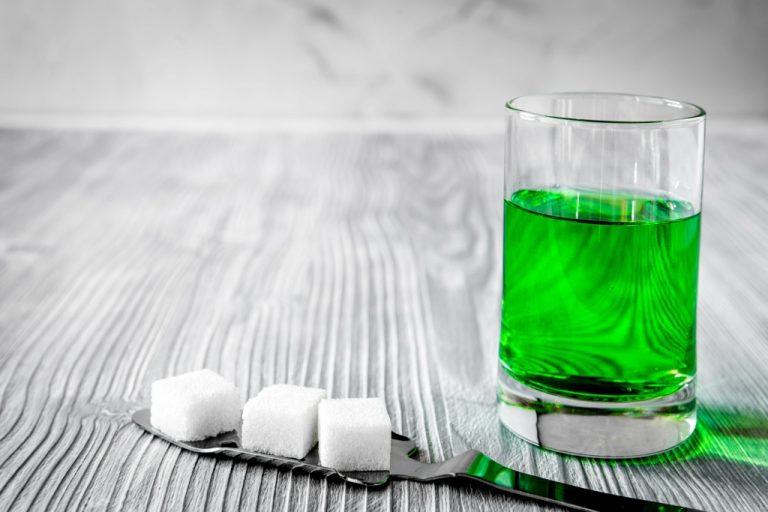

Alcohol Poisoning: Signs and Symptoms

No two people will be at the same blood alcohol concentration (BAC) even if both are similar in physique and amount of alcohol consumed. Excessive alcohol brings blood alcohol concentration to a higher level and poses serious risks, including impaired judgment, reduced coordination, and a heightened chance of alcohol poisoning. Alcohol poisoning occurs when a person has consumed a large amount of alcohol over a short period of time. The effects overwhelm the body, leading to a number of serious symptoms that can be fatal or cause serious brain damage.

Care at Cleveland Clinic

key signs of an alcohol overdose include

If you drink too much alcohol too quickly, your liver can’t remove it fast enough. This causes the amount of alcohol in the blood, also known as blood alcohol concentration (BAC), to rise. Individuals who have a concern about substance abuse treatment because they are worried about a life without alcohol know that our team here at Behavioral Twelve-step program Health Centers understands these concerns. We will work hard to ensure each individual has the answers and the assurance they need when they choose treatment options. Our team is dedicated to providing effective intensive care for each of our patients who have an alcohol use disorder. The absolute best way to avoid alcohol poisoning is to moderate, not binge drink.

  • Contact Riverside Recovery to learn about detox options, inpatient and outpatient programs, and how we help individuals reclaim their lives, safely, compassionately, and effectively.
  • Ingesting alcohol and other drugs together intensifies their individual effects and could produce an overdose with even moderate amounts of alcohol.

Neurological Effects:

If they are turning blue, if they’re making choking noises, or if they’re entirely unresponsive, call 911 alcohol overdose immediately. Paramedics can help reverse drug overdose and stabilize the overdosing person. When signs of overdose are present, you may be worried that you’ll get in trouble for calling the paramedics or getting help for yourself or someone near you who is overdosing.

Critical Signs of Alcohol Poisoning

It results from ethanol, the primary type of alcohol in beverages, overwhelming the body’s systems. If someone is experiencing an alcohol overdose, call emergency services immediately and provide details about the amount of alcohol consumed. While waiting for help, do not leave the person alone, monitor their breathing, and keep them sitting up or on their side to prevent choking. Without food, alcohol passes quickly from the stomach to the small intestine, where absorption is more efficient, resulting in higher blood alcohol concentration (BAC) levels. And if you or someone you know has experienced a drug overdose, this may indicate the presence of a substance addiction.

key signs of an alcohol overdose include

This is when a male rapidly consumes five or more alcoholic drinks within two hours or a female consumes at least four drinks within two hours. Alcohol in the form of ethanol, also called ethyl alcohol, is in alcoholic beverages. It’s also in mouthwash, some cooking extracts, some medicines and certain household products.

Ketamine Addiction: Definition, Causes, Signs, Effects, and Treatment Methods

If substance misuse disrupts work, school, and personal relationships, it can indicate a ketamine addiction. Ketamine addiction can deeply damage many areas of your life, including your health. The short- and long-term effects can cause a lasting impact that could change your life forever.

What is “K-hole” and is it dangerous?

ketamine abuse

Ketamine therapy has been researched clinically in the setting of acute asthma attacks. Many studies have shown that ketamine is an effective drug for the treatment status asthmaticus. Mechanical ventilation could be avoided if ketamine was used as adjuvant drug in standard treatment protocols. The first example of its use was observed in a child with https://ecosoberhouse.com/ a diagnosis of severe asthma. It was reported that intravenous ketamine administration improved symptoms in children with severe asthma.

  • One of the prime candidates for ketamine anesthesia is critical care patients with cardiorespiratory disorders.
  • Additionally, ketamine is commonly integrated as an adjunct drug in pediatric anesthesia for local and regional procedures 34.
  • While ketamine overdoses are not strongly linked to death, consuming large amounts of this drug can be fatal.

Treatments for Alcohol Use Disorder

Ketamine abuse can disrupt normal sleep patterns, leading to insomnia and other sleep disturbances. Ketamine use may contribute to memory impairment, further complicating the addiction cycle. Sleep-related issues can further contribute to physical and mental health problems over time. Long-term use can lead to a vicious cycle of addiction, making it hard to break free from it. Seeking ketamine abuse treatment services from a healthcare professional is crucial for those facing ketamine abuse, as it can have serious health consequences. This can increase the risk of dangerous side effects like respiratory depression and seizures.

What are the Risks of Ketamine Use?

This drug has been linked to conditions like depression, hysteria, memory loss, and high blood pressure in regular users. Ketamine used in a professional medical setting is pharmaceutical grade and is provided in closely monitored doses. However, it is an addictive substance, so it’s not entirely impossible. Your treatment provider is trained to look for signs of addiction and Drug rehabilitation will closely monitor your experience with this substance.

ketamine abuse

Toad Poisoning: Clinical Characteristics and Outcomes

These initiatives not only inform residents about the dangers of cane toad encounters but also empower them with practical knowledge on how to control these invasive species. Community-led projects and education programs play a vital role in raising awareness about cane toads and their impact on gardens. When it comes to understanding the impact of cane toads on human health, we can’t overlook their effect on our environment.

Taken together, we concluded that toad poisoning from ingestion of toads as food commonly present with GI symptoms, bradycardia, and occasionally hyperkalemia—symptoms that resemble acute digoxin poisoning. Most of our patients ate toads; therefore, toad consumption might be a local tradition for some people—not pregabalin abuse risks only Thai but also other people of Asian ethnicity in Thailand. Bufo melanostictus is distributed widely across south and southeast Asia,8,22,23 and is found throughout Thailand.22,23 We therefore postulated that this toad species was responsible for causing the poisoning in our patients. Twenty-six patients cooked toads before eating, 3 patients did not cook and 7 patients did not have the detail of cooking noted in their records. No patients were excluded from the study; that is, none of the patients had coingested other drugs or substances with toads.

  • The U.S. Geological Survey has identified 22 rivers in the U.S. portion of the Great Lakes that would provide suitable spawning habitat for invasive carp.
  • Although scientific studies on the ecological impact of cane toads in Australia have focused on lethal toxic ingestion as the primary mechanism of impact, and have looked primarily at effects on top-order predators, other mechanisms of toad impact may be important also.
  • Because the abundance data of these individual species could not be normalized via transformation, data were analyzed using nonparametric Kruskal–Wallis analysis of variance tests (Crossland 1998; Ujvari et al. 2011; Crossland and Shine 2012).
  • Twenty-six patients cooked toads before eating, 3 patients did not cook and 7 patients did not have the detail of cooking noted in their records.
  • Early detection and intervention are key to minimizing damage to your plants and preventing the spread of these invasive creatures.
  • Start by eliminating any standing water features, such as ponds or bird baths, as these are a magnet for cane toads.
  • The rubber tip on the end of a cane grips the floor much like the tread on car tires grips the road.

A total of 36 patients from 24 RPC telephone consultations were included; patient characteristics are summarized in Table 1. Hypotension was defined as systolic blood pressure 19 A heart rate greater than 100 beats per minute was defined as tachycardia, and a heart rate fewer than 60 beats per minute was defined as bradycardia.20 The normal vital signs in pediatric patients were based on the normal values for each age.21 The diagnosis of toad poisoning was primarily based on a history of toad ingestion with the clinical presentation of poisoning at the hospital.

A permit is not required to possess cane toads as personal pets. Cane toads are considered an invasive species and are poisonous to most animals that try to bite or consume them. Such rapid evolution seems paradoxical given low levels of genetic diversity in Australian cane toads, resulting from sequential introduction-imposed bottlenecks followed by expansion-driven drift.

Cane toads, also known as Bufo marinus, are large amphibians native to South and Central America. Originally introduced as a solution to control pests in the sugar cane fields, these toads have multiplied rapidly, leaving a trail of destruction in their wake. However, these adaptations also have drawbacks.The adaptations that native species have to make due to different environmental interactions impact the evolution of that native species.

Field Experiments

The rapid evolution of multiple phenotypic traits in Australian cane toads, apparently in response to evolutionary pressures on dispersal rate, also facilitate the exploration of how density-dependent disease transmission is affected by dispersal. The “enemy release” hypothesis asserts that invasive species thrive because they escape from most of the co-evolved threats that they have faced in their native range, and face less threat from species that are indigenous to the introduced range. Because it is difficult to predict how successful these parasites are at infecting novel anuran hosts, the impact that they will have on endemic or endangered frog populations in Western Australia is unknown. Release from co-evolved predators, competitors, pathogens, and parasites may have enhanced the cane toad’s ability to spread through Australia. However, infected toads could serve as an additional host that carries the pentastome across the toad’s entire Australian range, allowing the parasite to infect host species with which it did not previously share an overlapping range (Kelehear et al., 2013). Pseudosphaerocephala has not been found in Hawai’ian cane toads (Barton and Pichelin, 1999, Barton and Riley, 2004, Marr et al., 2010), the source of the toads brought to Australia (Barton, 1994).

Regulations should be put in place to control the import and sale of cane toads as pets or for any other purposes. Implementing restrictions on the trade and movement of live cane toads can help prevent their introduction to new areas. For example, removing dense vegetation and leaf litter that provide hiding places for cane toads can help reduce their numbers. This information can then be used to target control measures and prevent the spread of cane toads to new areas. Effective measures to control and eliminate cane toads are crucial to protect the state’s economy and preserve its natural resources.

Data Sharing Statement

For example, certain non-native plants stabilize soil or provide food for wildlife in damaged areas. While rare, some invasive species can fill ecological roles lost to extinction or environmental degradation. These shifts accelerate the spread and establishment of invasive species in fragile ecosystems. A non-native species becomes invasive only if it causes harm to the environment, economy, or human health. Their spread, often human-driven, can trigger native species extinctions, distort food chains, and impose heavy economic costs. Climate change adds another layer of complexity to managing invasive species.

Native Range

It also provides tips for going up and down stairs with a cane and other useful tips. It explains reasons why you may need a cane, different types of canes, and how to know if your cane is the right height for you. This article discusses how to walk with a cane.

Surveys of native taxa

  • Regular monitoring and reporting of cane toad populations is crucial for effective management.
  • The cane toad invasion of Australia provides many opportunities for study of the dynamics between introduced hosts, native hosts, introduced parasites, and native parasites.
  • From predation to poisoning, their presence in the Sunshine State has had far-reaching consequences, altering the delicate equilibrium of Florida’s ecosystem.
  • We used the program PRIMER v5 (PRIMER‐E, Plymouth, UK) to assess differences in diversity and composition of native vertebrate species between sites with and without cane toads.
  • If your pet bites or swallows a cane toad, they can become sick and die in as little as 15 minutes without proper treatment.
  • When threatened, cane toads release a milky white substance that can be fatal to predators.
  • Species that grow and reproduce quickly, and spread aggressively, with potential to cause harm, are given the label “invasive.”

Our collection features hundreds of walking canes andwalking sticks for every lifestyle. Finding the perfect walking cane should feelempowering, not overwhelming. We have a complete selection of walking canes and hiking sticks that fit any need or style. Replacement cane tips usually are available at pharmacies and medical supply stores. The tip of a cane can help provide traction on most surfaces. The rubber tip on the end of a cane grips the floor much like the tread on car tires grips the road.

These species pose one of the most significant threats to global biodiversity, ecosystem stability, and even human economies. The population includes individuals with a range of personality types that influence behavioural decisions taken in the presence of conspecifics, a pattern that is detectable due to the high densities attained in the area. That is, introduced species may spread more quickly when the population comprises a mixture of individuals with different personalities rather than being behaviourally monomorphic. The mathematical models of Fogarty suggest that intraspecific variation in behavioural traits may facilitate invasion success . Our feeding competition trials suggest that bolder animals may be better competitors when prey abundance is low, but not when prey abundance is high. For example, in Poecilia reticulata, bold females avoided areas where other conspecifics were feeding, probably as an interpretation of patch depletion .

The frequency of infection is positively correlated with toad body size and movement rate (Brown et al., 2007). This condition is caused by Ochrobactrum anthropi, a species of soil bacteria in Australia that is otherwise only documented as rarely exerting pathogenic effects in immune-compromised humans (Brown et al., 2007). It seems that neither of these detrimental effects is strong enough to restrict adult toad mobility. Additionally, by virtue of their zoloft and pepcid pathogenic nature, the larvae provoke immune responses which can reduce movement by depleting host energy stores.

As we’ve seen how cane toads harm your garden, it’s also essential to know how they can affect human health. In terms of landscaping, consider incorporating plants that are toxic to cane toads, such as daffodils or castor beans, into your garden design. Start by eliminating any standing water features, such as ponds or bird baths, as these are a magnet for cane toads. When it comes to preventing cane toads from inhabiting your garden, modifying their habitat is crucial. As you consider the best methods to control cane toads in your garden, it’s essential to understand the effectiveness and potential risks of lethal control measures. Ultrasonic devices emit a frequency inaudible to humans but unpleasant for cane toads.

From the 29 initial EKGs recorded, the abnormal findings showed sinus bradycardia (12 patients), atrial fibrillation with slow ventricular response (one patient), complete heart block (one patient), and normal sinus rhythm with occasional premature ventricular contractions (one patient). All patients presented to the hospital with normal consciousness except three patients; one helpstay reviews was drowsy, another was comatose, and the third patient was agitated. Abnormal vital signs recorded at the hospital arrival in our data included bradycardia in 12 patients (33.3%), tachycardia in one (2.8%), and hypotension in seven (19.4%). The other two patients did not have GI symptoms noted in their records; one presented with cardiac arrest and the other had agitation with severe bradycardia and developed cardiac arrest shortly after arrival in the emergency room (ER). At the first presentation, 34 patients reported GI symptoms including nausea, vomiting, and abdominal pain -after ingestion. Two patients reported that they had underlying diseases (one with schizophrenia and the other with an unspecified psychiatric condition).

Pseudosphaerocephala adversely affects the host’s cardiovascular system (Pizzatto et al., 2012a, Pizzatto et al., 2012b). Parasite prevalence was low in the youngest (Westmoreland Station, 2 years old) and oldest (Townsville, 47 years old) populations, whereas intermediate-age populations (Burketown and Normanton, 4–19 years old) experienced greater parasitism (Freeland et al., 1986). Frenata was confined to a highly limited range in Australia due to the restriction of the Asian house gecko to widely separated urban areas (Kelehear et al., 2013). In these systems, transmission between hosts frequently occurs through predation (Hechinger and Lafferty, 2005).

And some invasive species are intentionally or accidentally released pets. Approximately 42 percent of threatened or endangered species are at risk due to invasive species. We thank Georgia Ward-Fear for providing an updated map of the cane toad distribution. One logical next step is to investigate the role of epigenetic changes in driving rapid evolution of the cane toad’s immune system. Phenotypically, a host’s immune defences are moulded by the abundance and diversity of pathogens and parasites, as well as their infectivity. Meanwhile, Australian lungworm parasites can also infiltrate toad bodies, but do not complete their life cycle due to encapsulation of larvae by toad immune defences.

Ambien and Alcohol: The Dangers of Having Both

This prescription drug is a Schedule IV controlled substance by the Drug Enforcement Agency (DEA), meaning it has a low potential for abuse. Individuals with a substance abuse history also face a higher risk of misusing it. Ambien can become addictive if you use the drug for too long. Healthcare professionals prescribe it to help slow brain activity and treat insomnia.

Treatment for Co-Occurring Alcohol and Ambien Addiction

Using this medicine with any of the following is usually not recommended, but may be unavoidable in some cases. If both medicines are prescribed together, your doctor may change the dose or how often you use one or both of the medicines. Using this medicine with any of the following medicines is usually not recommended, but may be required in some cases. Using this medicine with any of the following medicines is not recommended.

Zolpidem can cause rebound insomnia the first day or two after you stop taking it. This may increase your risk of feeling drowsy or dizzy the next day. It may take longer for zolpidem to work if you take it with food.

What Are the Effects of Mixing Alcohol With Ambien?

Your doctor may not immediately know if you’ve combined these substances, but the effects might become apparent during examinations or if you experience side effects requiring medical attention. Most healthcare providers recommend waiting at least 24 hours after taking Ambien before consuming any alcohol to ensure the medication has cleared from your system. Mixing Ambien and alcohol creates a dangerous combination that significantly increases health risks. At the same time, the extended-release formula (Ambien CR) contains two layers – one that dissolves quickly to help with falling asleep and another that dissolves slowly to help maintain sleep. The immediate-release version helps people fall asleep quickly.

At Carolina Center for Recovery and affiliates, we aim to provide readers with the most accurate and updated healthcare information possible. Comprehensive substance use disorder (SUD) treatment is available at the Carolina Center for Recovery. It is critical to stop drinking while taking Ambien to avoid dangerous drug interactions. People may engage in dangerous behaviors, including drinking more or taking other substances. This can result in coma or death without immediate medical intervention. When using Ambien, it is important to avoid drinking alcohol.

Insurance Providers

Store zolpidem in a safe place to protect it from theft. Keep zolpidem out of the reach of children. Your pharmacist can tell you all of the ingredients in the specific zolpidem products they stock.

The Recovery Village South Atlanta

The medication works by james anderson author slowing down brain activity, which helps promote sleep and relaxation. Both substances act as central nervous system depressants, and when taken together, they dramatically amplify each other’s effects. You should always consult your doctor or another healthcare professional before taking any medication.

  • Call your doctor for medical advice about side effects.
  • If you take zolpidem for 2 weeks or longer, zolpidem may not help you sleep as well as it did when you first began to take the medication.
  • Finding treatment for addiction to zolpidem and alcohol is the first step in overcoming the effects of mixing zolpidem and alcohol.
  • Like all prescription medications, Ambien has the potential for dangerous side effects, including dependence.
  • Breaking the bonds of addiction takes more than willpower.
  • Combining two addictive substances like Ambien and alcohol is asking for trouble.

If you have other questions about side effects from Ambien or Ambien CR, talk with your doctor or pharmacist. Weight gain wasn’t reported by people taking Ambien or Ambien CR in clinical studies. Snorting the drug causes all of it to be released at once.

Although these side effects aren’t common, they can be serious. Call your doctor right away if you have serious side effects. Serious side effects from Ambien and Ambien CR aren’t common, but they can occur. Most of these side effects may go away within a few days or a couple of weeks. They can give you tips on how to manage any side effects that may be concerning or bothersome.

With continued use, patients may increasingly seek out the help of Ambien for signs of molly use and addiction behavioral health of the palm beaches sleep, but with extended use, the drug may not be as effective. Dangerous drug interactions take place when these substances are mixed. It works by helping to entice the brain to fall asleep by relaxing the brain so that sleep will soon follow. In an effort to get some decent rest at night, some people take medication such as Ambien. Lacking quality sleep can be a detriment to good health. Posts and discussion about insomnia and sleep disorders.

  • Your healthcare provider will advise you if you should take zolpidem while breastfeeding.
  • You can take this medication if you have trouble falling asleep or staying asleep.
  • Ambien and Ambien CR can interact with several other medications.
  • Avoid taking zolpidem with or immediately after a meal.
  • However, elderly patients are more sensitive to the effects of this medicine (eg, confusion, dizziness, and falling) than younger adults.
  • Ambien and Ambien CR shouldn’t cause weight gain, but they may cause side effects in older people.
  • The following lists contain some of the key side effects that may occur while taking these drugs.

For more information about the possible side effects of Ambien and Ambien CR, talk with your doctor or pharmacist. Ambien and Ambien CR can cause mild or serious side effects. The generic is considered to be as safe and effective as the original drug. This active drug is also available as generic versions of Ambien and Ambien CR. A controlled substance is a drug the government regulates because it can lead to misuse, dependence, and withdrawal. Yes, both Ambien and Ambien CR are controlled substances.

It ranges from mild to severe based on how many symptoms you have. Alcohol use disorder is a medical condition diagnosed when drinking creates significant problems or distress. Alcohol abuse often comes before alcohol use disorder but can exist on its own. This includes drinking more than you planned, feeling strong urges to drink, and continuing to drink even when it causes trouble.

Taking multiple substances, also known as polysubstance abuse, can be hard Tom Arnold addiction story to treat on your own. If you struggle with Ambien and alcohol, it can be difficult to see a way out. Your doctor or pharmacist can provide you with more information about safely taking Ambien after drinking based on your specific medical history.

Tell your doctor right away if you are pregnant or if you think you have become pregnant while using this medicine. Check with your doctor right away if your baby has pale or blue lips, fingernails, or skin, difficult or trouble breathing, excessive sleepiness, or limpness. Using this medicine during the last 3 months of pregnancy can harm your newborn baby. Store the medicine in a closed container at room temperature, away from heat, moisture, and direct light. If you miss a dose of this medicine, skip the missed dose and go back to your regular dosing schedule.

Before you start treatment with Ambien, tell your doctor and pharmacist if you take cannabis. If you’d like more information about whether certain lab tests may be safe to get during your Ambient treatment, talk with your doctor. If you have questions about getting certain vaccines before or during your Ambien treatment, talk with your doctor. If you have questions about eating certain foods during your treatment with Ambien, talk with your doctor. Ambien interacts with the supplement melatonin, which can also be used to aid sleep.

Substance use recovery and diet: MedlinePlus Medical Encyclopedia

They help convert food into energy, support brain health, and aid in the production of red blood cells. Alcohol abuse can deplete the body’s stores of these vitamins, making their replenishment crucial for individuals in recovery. Including healthy fats in the diet is important for individuals in recovery as they provide essential fatty acids and support brain health. Healthy fats also help in the absorption of fat-soluble vitamins and provide a feeling of satiety. It’s essential to follow the medical advice and recommendations provided by healthcare professionals to navigate the detox process safely.

The Role of Hydration and Other Considerations

Additionally, alcohol triggers inflammation in the gut, which prevents the body from absorbing necessary nutrients. Common deficiencies in individuals recovering from alcohol addiction also include vitamins B and C, magnesium, and zinc, which are all critical for the body’s proper functioning. A healthy diet for alcoholics is a cornerstone of recovery, offering the body the tools it needs to heal and thrive. By prioritizing hydration, nutrient-rich whole foods, and positive eating habits, you can rebuild physical and mental health and support long-term sobriety. Alcoholism can result in various nutritional deficiencies due to the impact of alcohol on the body’s ability to absorb and utilize essential nutrients.

Supporting Long-Term Sobriety Through Nutrition

It is important for you to know these challenges when you are recovering from alcohol, showing you the need to take care of your nutrition as part of your wider journey to healing from alcohol abuse. Eating a balanced diet is essential to reduce the harm of alcohol and improve your overall well-being. At Aqua Recovery, we are here to help you with your nutrition needs, offering advice and resources for a healthy recovery. Consuming sufficient levels of protein can help alleviate common withdrawal symptoms such as nausea and fatigue, facilitating a smoother transition to sobriety. A steady intake of protein helps to stabilize blood sugar levels, which can be erratic after prolonged alcohol use.

alcohol recovery diet

The Role of Medication-Assisted Treatment in Recovery

alcohol recovery diet

Deficiencies in vitamins such as A, B, C, D, and E, as well as minerals like calcium, magnesium, iron, and zinc, are commonly observed in individuals with alcohol abuse disorders 1. These deficiencies can further contribute to the physical and psychological challenges experienced during detoxification. Given the inhibitory effects of ethanol on protein synthesis, including protein-rich foods in the diet can help counteract this negative impact. For instance, citrus fruits and berries are packed with vitamin C, an antioxidant that supports the immune system and aids in liver detoxification. Leafy greens like spinach and kale contribute vitamins A and C, calcium and other nutrients that promote overall health and aid recovery.

  • A balanced diet can curb the craving for alcohol by maintaining steady blood sugar levels, and adequate nutrient intake can reduce the desire to drink.
  • A woman’s poor diet when pregnant, especially if she drinks alcohol, can harm the baby’s growth and development in the womb.
  • Hemoglobin helps your red blood cells carry oxygen to your body’s organs and tissues, then transports carbon dioxide from those organs and tissues back to your lungs.

Recovering from alcohol dependency is a complex and challenging journey, where proper nutrition plays a pivotal role in healing both the body and mind. Alcohol misuse often leads to severe nutrient depletion and malnutrition, exacerbating physical and mental health issues. A diet rich in essential nutrients can accelerate detoxification, alleviate withdrawal symptoms, replenish deficits, and support overall well-being.

  • When you drink, the alcohol suppresses your brain’s production of a chemical called antidiuretic hormone, or ADH.
  • Inpatient drug rehab provides structured care, therapy, medical supervision, and peer support to promote recovery, emotional healing, and lasting sobriety.
  • And just like vitamin B and zinc, alcohol affects how the body absorbs iron from food, causing an imbalance when you first stop drinking.
  • Returning to a normal diet can be hard if a person has lost a lot of weight.

Of course, the first step is making the decision to seek help, at which time you will go through a detox process to rid your system of harmful substances. However, detox often doesn’t fully address the foods and nutrients you’ll need on your recovery journey. Often, too, you’ll receive the best in nutrition while in a treatment program, but I’ve seen many people return from treatment and then struggle to maintain a healthy diet suitable for alcohol recovery. When you are recovering from alcohol, eating well is very important for many reasons. Good nutrition helps your body heal, fixing the harm that too much alcohol has done. Foods that are rich in nutrients help your mental health, easing feelings like sadness and worry that often come with recovery.

Best Foods to Eat in Recovery from Alcohol

Eating healthy foods following your decision to stop drinking alcohol can be problematic for many people. You can supplement the body’s ability to heal by eating more healthy fats. Consider adding more fatty fish to your diet for a dose of omega-3 fatty acids which are the best kind of healthy fats for successful alcohol detoxification. Chronic heavy drinking can cause a person to become deficient in many nutrients. Alcohol abuse often leads to undereating or a loss of appetite, and it can cause people to make poor food choices.

They are excellent choices for transitioning into healthier eating habits post-rehabilitation. These liquid options are rich in vitamins, minerals, and antioxidants, providing essential nutrients while being easy to digest and soothing to the system. The liver’s remarkable ability to regenerate is significantly influenced by nutrition, especially in the context of recovery from alcohol-induced damage.

alcohol recovery diet

A nutritionist can help you address specific dietary needs, establish regular meal patterns, achieve portion control and help meet many other important nutritional needs. Fruits and vegetables also contain many compounds that can aid in liver detoxification. While they won’t repair permanent liver damage, they can speed recovery. They also help maintain a healthy digestive system, which can be disrupted by alcohol. Incorporating a variety of fruits and vegetables into your daily diet ensures a wide array of these beneficial compounds.

  • For instance, how about some grilled chicken, brown rice, and a slice of avocado?
  • You may not feel like eating, drinking, or taking vitamins, which can affect your overall health.
  • The first step in treating addiction to any substance is to remove all traces of the substance from the body.
  • Incorporating a well-balanced diet tailored to address specific nutritional needs is essential for individuals in recovery.

Shellfish is known for including a fair amount of zinc, omega-3 fatty acids, and iron, all minerals and nutrients that aren’t adequately absorbed by the body during heavy alcohol use. For Sober living house example, without zinc, you can experience appetite loss, rough skin, and mental lethargy, and iron is responsible for helping red blood cells carry oxygen to and from your body’s organs. Shellfish can help you replenish these minerals, helping your body return to normal functioning. Because alcohol can slow down or even stop the absorption of nutrients, you can expect to deal with nutritional deficiencies if you continue to drink heavily. For example, you may lack adequate levels of vitamin A in your system, which can lead to vision impairment and dry skin. Some people may also drink excessively while eating very little, which leads to multiple nutrient deficiencies that are tough to correct.

alcohol recovery diet

If a person is experiencing nausea or vomiting symptoms, fresh or frozen fruit can be blended into a smoothie that may be easier to tolerate. Berries, citrus, melon and peaches are good fruits to eat during a detox because of their high water and vitamin content. Meal planning plays a crucial role in supporting recovery from alcohol addiction. By incorporating balanced and regular meals, practicing mindful eating, and seeking professional guidance, individuals can nourish their bodies and promote overall well-being during the recovery process. Incorporating foods rich in vitamin B complex, vitamin C, magnesium, and zinc into a balanced diet can help support the nutritional needs of individuals in recovery from alcoholism. To support sobriety and promote overall well-being, it is essential for individuals in recovery from alcohol addiction to prioritize their nutrition.

Advertisement